Header and checkboxes
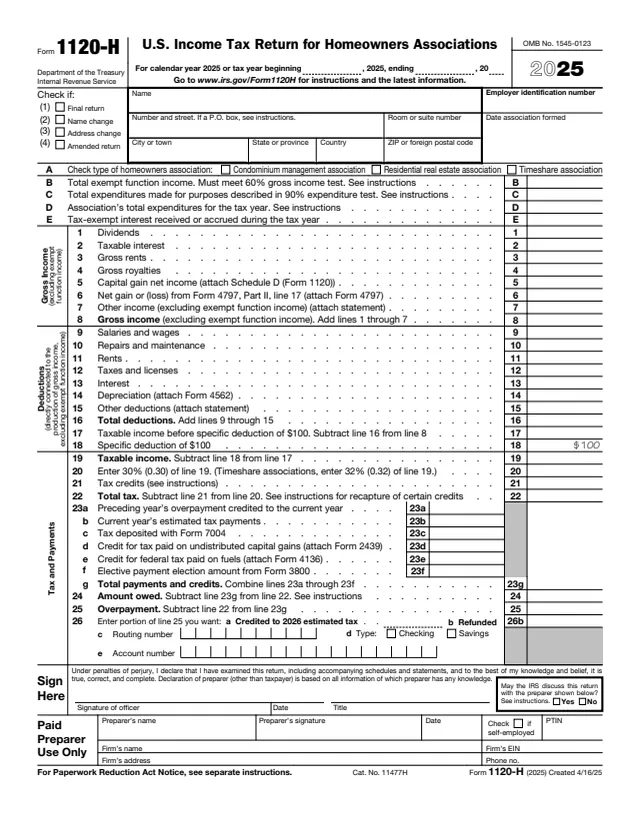
The tax year, name, EIN, address and date association formed, with boxes for final return, name change, address change and amended return.
1120-H
U.S. Income Tax Return for Homeowners Associations
Form 1120-H is the income tax return a homeowners association files to take advantage of certain tax benefits. The IRS says these benefits, in effect, allow the association to exclude exempt function income from its gross income. The instructions define exempt function income as membership dues, fees or assessments from member owners.
The instructions say the association elects the section 528 benefits by filing a properly completed Form 1120-H, separately for each tax year. The form covers three types of association: condominium management, residential real estate management and timeshare. Taxable income after a specific deduction of $100 is taxed at 30%, or 32% for timeshare associations.
This page covers the 2025 form, used for calendar year 2025 and fiscal years that begin in 2025. You can fill out Form 1120-H free in your browser on this page and download it without an account.
The tax year, name, EIN, address and date association formed, with boxes for final return, name change, address change and amended return.
Type of association, total exempt function income for the 60% test, expenditures for the 90% test, total expenditures and tax-exempt interest.
Dividends, taxable interest, gross rents, gross royalties, capital gain net income, Form 4797 gain or loss and other income, all excluding exempt function income.
Salaries and wages, repairs and maintenance, rents, taxes and licenses, interest, depreciation and other deductions directly connected to the production of gross income.
Taxable income before and after the $100 specific deduction, the tax at 30% or 32%, tax credits and total tax.
Payments and credits, amount owed, overpayment with refund or credit to 2026 estimated tax and direct deposit details, then the officer's signature and paid preparer area.
Enter the association's true name as set forth in its charter, its address and EIN. The instructions say to enter "Applied for" and the date if the EIN has not arrived by the due date. Check the boxes that apply.
Check the association type. Item B is total exempt function income for the 60% test. Item C is expenditures for the 90% test, including current and capital expenditures but not transfers to a sinking fund.
Enter total expenditures for the tax year, including those directly related to exempt function income, using the association's accounting method. Enter tax-exempt interest received or accrued on item E.
Enter dividends, taxable interest, gross rents, gross royalties, gain from Schedule D (Form 1120), the Form 4797 amount and other income. The instructions say tax-exempt interest goes on item E, not line 2.
Enter deductions directly connected with producing that gross income. Subtract the $100 specific deduction, multiply line 19 by 30%, or 32% for a timeshare association, and subtract any credits.
Enter payments and credits, then the amount owed or the overpayment and how it is applied. An authorized officer signs and dates the return, and a paid preparer completes the preparer area.
You get the real form, filled in a browser tab, with nothing standing between you and the finished PDF.
The instructions say generally by the 15th day of the 4th month after the end of the tax year, or the 15th day of the 3rd month for a fiscal year ending June 30. Form 7004 requests an extension of time to file.
Paper returns go to the Internal Revenue Service Center in Kansas City, MO 64999-0012 or Ogden, UT 84201-0012, by the state of the principal business, office or agency. The instructions list P.O. Box 409101, Ogden, UT 84409 for a foreign country or U.S. territory.
The instructions say associations are required to e-file Form 1120-H if they file 10 or more returns of any type during the calendar year, and that they can request a waiver.
The instructions say tax due is paid in full by the due date of the return, not including extensions, and that payment of the tax due is made electronically, for example through EFTPS.
The instructions say a late return can lose the right to elect Form 1120-H and may be penalized 5% of the unpaid tax per month, up to 25%. The minimum for a return over 60 days late is the smaller of the tax due or $525.
If the address changes after the return is filed, the instructions point to Form 8822-B, Change of Address or Responsible Party, Business.
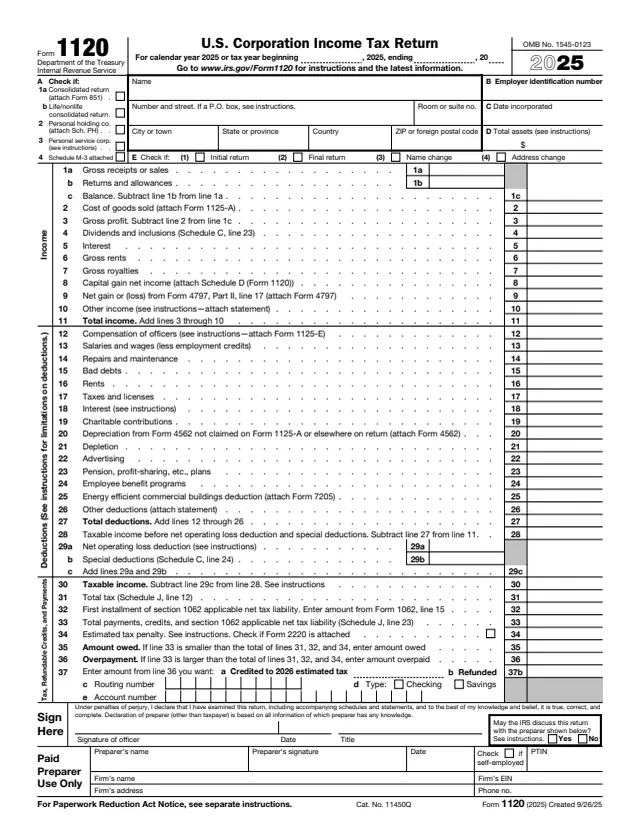
1120
481 fields, 6 pages
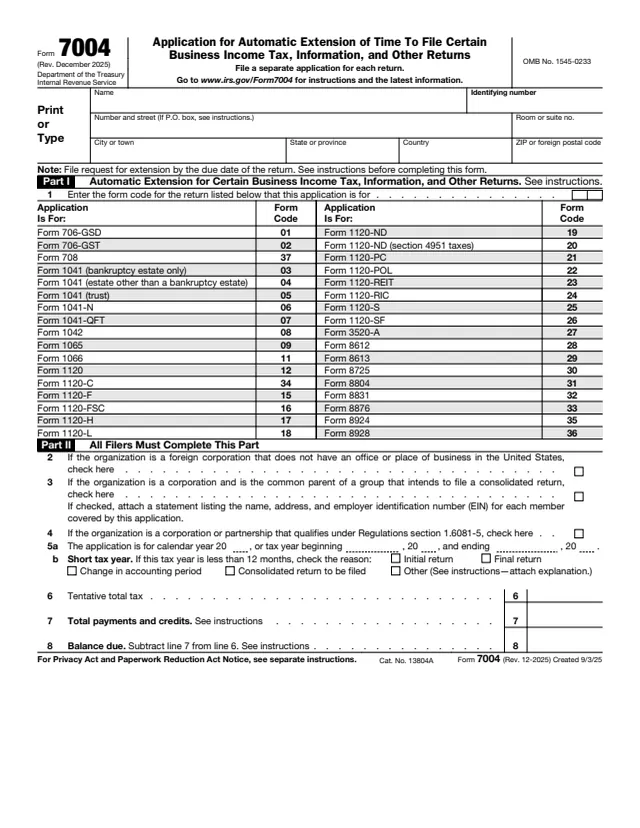
7004
26 fields, 1 page
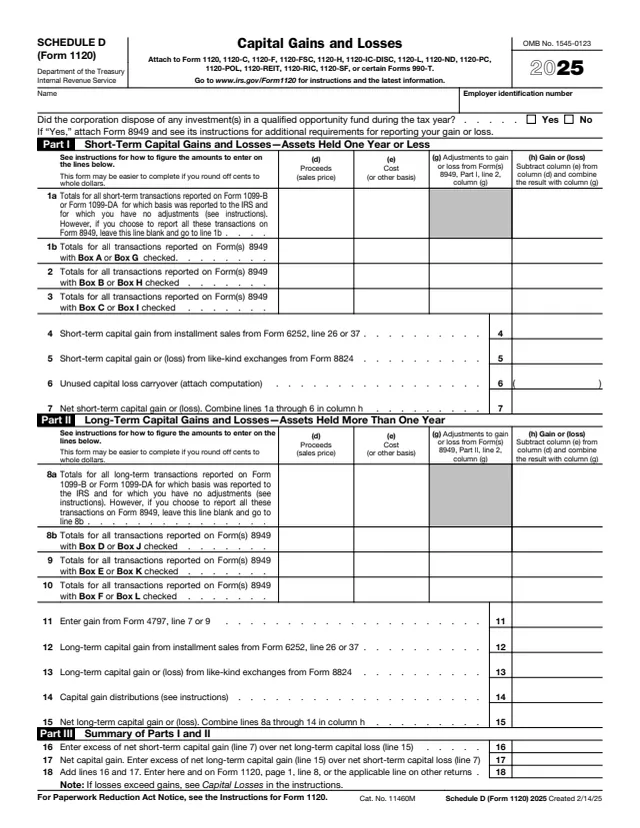
1120
48 fields, 1 page
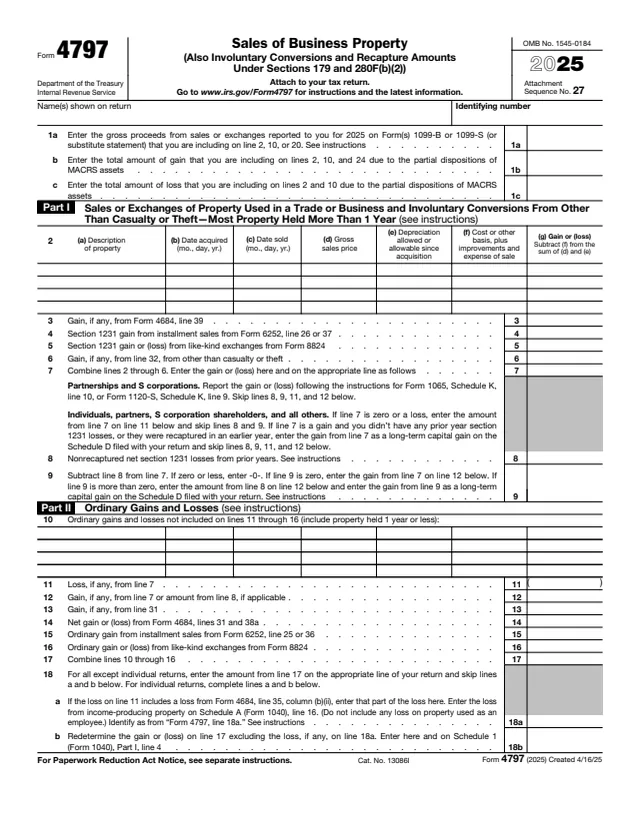
4797
182 fields, 2 pages
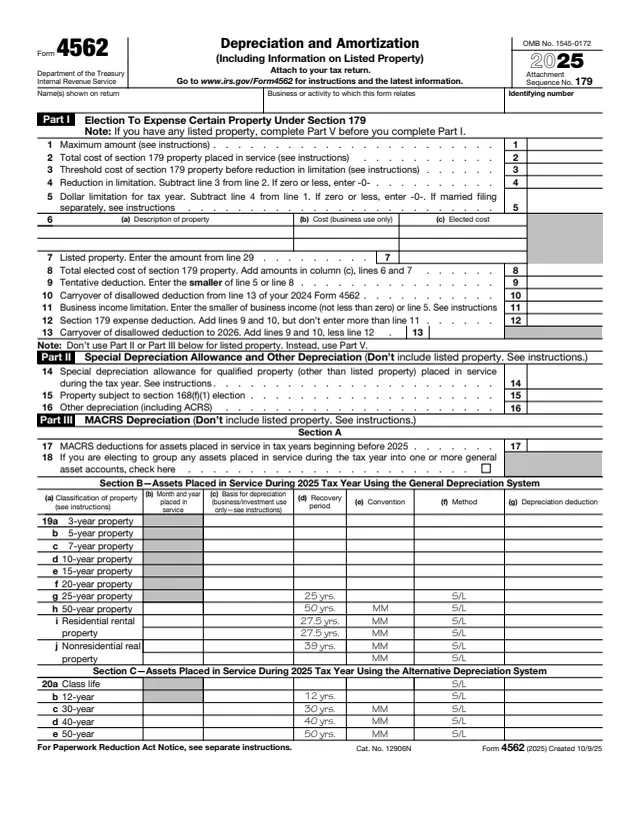
4562
277 fields, 3 pages
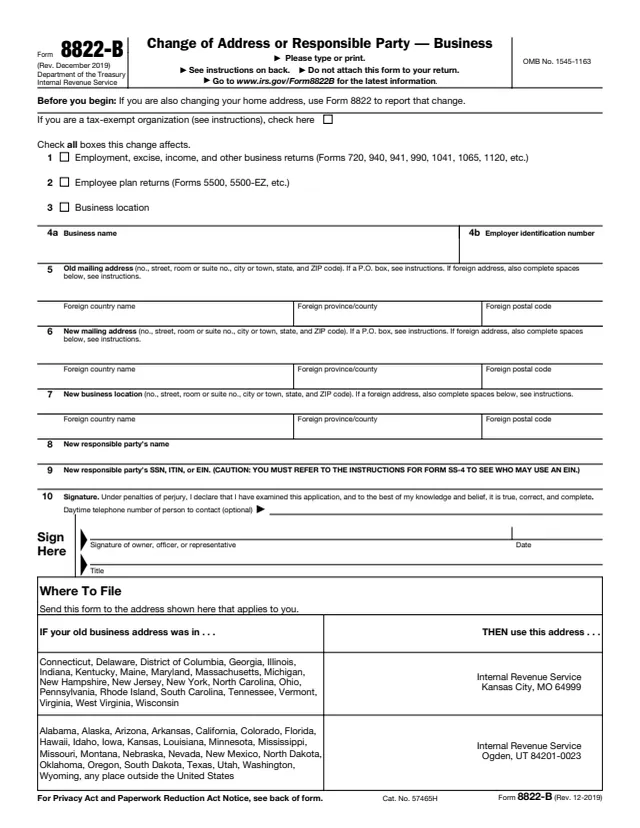
8822-B
22 fields, 2 pages
The form is the association's own income tax return, filed with the IRS. The instructions say it is signed by the president, vice president, treasurer, assistant treasurer, chief accounting officer or another association officer authorized to sign.
No tool matches that search.
A homeowners association files it as its income tax return to take advantage of the tax benefits of section 528. The instructions say an authorized association officer signs it.
The instructions define it as membership dues, fees or assessments from owners of condominium units, owners of real property in a residential real estate association, or owners of timeshare rights or interests, received from members as owners.
The instructions say 30% for condominium management and residential real estate management associations and 32% for timeshare associations, for both ordinary income and capital gains.
To qualify, the instructions say at least 60% of gross income consists of exempt function income and at least 90% of expenditures go to acquiring, building, managing, maintaining and caring for association property.
Yes. The instructions say the election is made separately for each tax year by filing a properly completed Form 1120-H, generally by the due date including extensions.
Generally by the 15th day of the 4th month after the end of the tax year. For a fiscal year ending June 30, the instructions say the 15th day of the 3rd month.
The instructions say the estimated tax and alternative minimum tax requirements do not apply to associations electing to file Form 1120-H.